


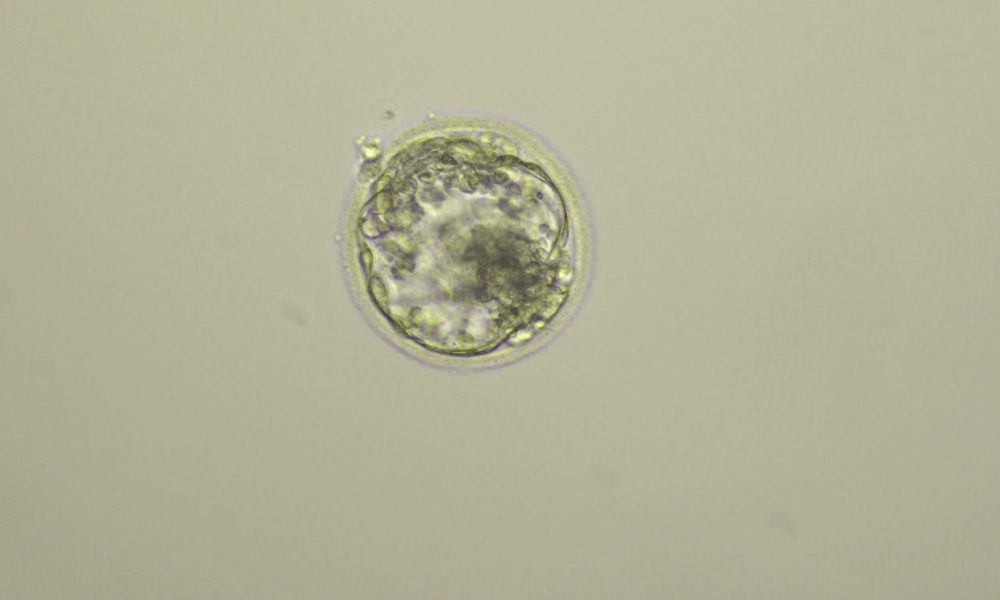
This is, hands down, the most emotionally charged day of the entire IVF journey. It’s when you finally get to meet your embryo – that microscopic, magnificent piece of future you’ve fought so hard for; worked so hard to get to.
But let’s be real. It’s also a day thick with anxiety and worry, especially if this is your third, fourth, or tenth attempt. You walk in carrying a mountain of hope, but also a crushing fear of what happens if it doesn’t work. The weight of every injection, every ultrasound, every sacrifice – it all comes down to this single moment.
Before your embryo transfer: The full bladder game
You’ll be asked to arrive at the clinic about 15 minutes early. But before we get to the full bladder strategy, there’s something critical you need to know first.
Do not wear any fragrance on transfer day. No perfume, scented lotion, deodorant, body spray, or strongly scented products of any kind. Yes, you can (and should) shower that morning, but use only unscented soap and products afterward. Embryos are incredibly sensitive to chemicals and strong scents – even trace amounts can potentially affect implantation. Your clinic will likely remind you of this, but it’s worth repeating: keep it fragrance-free.
You’ll be asked to arrive at the clinic about 15 minutes early. The biggest hurdle? The full bladder.
The golden rule: Aim to drink around 500ml of water about an hour before your scheduled time.
The reality check: You need your bladder full enough for the nurse to see clearly with the ultrasound wand, but not so full that you’re weeping from discomfort.
My pro tip: I did a trial run the day before every single transfer to see how much water gave me that “I need to pee, but I can probably hold it for 30 minutes” feeling. You don’t want the “I’m going to pee my pants” panic. Test it out. Write down what worked. Your future self will thank you.
Before you head into the transfer room, you’ll have a quick chat with your doctor. You’ll sign a few documents, and then comes the moment of awe: you’ll see the photo of your embryo. That grainy, beautiful image of cells dividing – that’s your miracle.
Next, it’s time to head to the transfer room, where you’ll undress from the waist down and hop onto the bed. It’s usually quite warm here, but you absolutely can (and should) wear your lucky socks – a small, tangible piece of control and superstition we cling to on this chaotic journey.
What happens during your embryo transfer
The actual transfer is surprisingly quick, usually done in just a few minutes. But those minutes feel like a lifetime.
Here’s what happens, step by step:
- You’ll get positioned on the bed. The room is usually warm, and you can absolutely keep your lucky socks on.
- Your doctor will insert a speculum so they can see your cervix (just like a routine Pap smear). If you feel a pinch or discomfort, Dr Lucky Sekhon suggests wiggling your toes as a distraction technique. It sounds silly, but trust me it works.
- Your doctor will clean your cervix with a solution. It will feel cold and slightly uncomfortable, but it’s over quickly.
- A thin, soft catheter is guided through your cervix to confirm the pathway and placement. A nurse will be pressing the ultrasound wand against your abdomen – yes, that full bladder you’ve been holding finally has its purpose.
- The embryologist loads your embryo into the catheter. In some clinics, you can hear them communicating from the lab, confirming the embryo is ready. That voice from the other room, saying your name, saying “embryo loaded” – it’s surreal.
- Watch the screen closely. This is the moment. You will see a bright flash of white light as your embryo is gently transferred into your uterus.
This is the greatest, most profound privilege of the IVF journey: witnessing the beginning of potential life in that instant. Hold that image with all your strength. I have cried every single time. Happy tears, terrified tears, exhausted tears – all of them at once.
After your transfer: Welcome to PUPO life
And just like that, it’s done. You’re officially PUPO: Pregnant Until Proven Otherwise.
You’ll rest in the transfer room for a few minutes – sometimes five, sometimes ten. This is just a quiet moment to let your body (and your blood pressure) settle. Some clinics dim the lights, play soft music, or give you a warm blanket. Soak it in.
Do not worry about the bathroom. If you desperately need to pee, go. Your embryo is nestled safely in your uterus; it absolutely will not “fall out”. I know it feels like it might, but I promise – biology doesn’t work that way.
Now comes the hardest part: the Two-Week Wait (TWW). For the next 10-14 days until your beta hCG test, you’re living in this strange limbo of hope and fear. You’ll follow all the pregnancy rules – rules that can feel like a constant, obsessive checklist.
A note about post-transfer symptoms
Don’t be alarmed if you notice light spotting or cramping later in the day. Here’s why this happens:
Your cervix has been touched and possibly irritated by the catheter during the transfer. Any manipulation can cause light spotting – it doesn’t mean your embryo is leaving.
The progesterone suppositories many of us take can also cause cervical irritation, leading to some pink or brown spotting. This is a normal medication side effect, not implantation bleeding or your period.
That said, if you’re truly worried or experiencing heavy bleeding, severe cramping, or fever, contact your clinic immediately. Trust your instincts.
The two-week wait rules to follow
- No alcohol. None. Zero. Not even “just a sip”.
- Coffee limit: One cup maximum per day (no more than 200mg of caffeine). This includes tea, energy drinks, and that sneaky chocolate bar.
- Medications: Do not stop taking your prescribed medications – oestrogen, progesterone, prenatal vitamins, folic acid – until your beta test. Even if you start bleeding. Even if you’re convinced it didn’t work. Keep going until your doctor tells you to stop.
- Food safety: Wash all fruit and vegetables meticulously. Cook meat and eggs thoroughly (or as my doctor literally instructed: “cook it dead”). Avoid soft cheeses, deli meats, and raw fish. Basically, follow early pregnancy food guidelines to the letter.
- Physical activity: Take it easy and listen to your body. Now is not the time to start training for a marathon or lift heavy boxes. Gentle walks are fine; intense workouts are out. Rest when you need to rest.
The symptom-spotting trap
Let me be honest about something nobody really prepares you for: the symptom analysis spiral.
Every twinge, every cramp, every moment of nausea or exhaustion becomes a sign. You’ll find yourself Googling “5 days post-transfer symptoms” at 2 am. You’ll scrutinise every trip to the bathroom. You’ll convince yourself you feel pregnant one hour, then utterly certain it failed the next.
This is torture. And it’s completely normal.
The cruel truth? Progesterone mimics early pregnancy symptoms almost perfectly.
That breast tenderness? Could be the medication.
The fatigue? Could be the emotional exhaustion.
The cramping? Could be your body adjusting to the hormones.
You cannot know. Not really. Not until your beta test.
So try – and I know how impossible this sounds – to be gentle with yourself. The waiting is brutal. The not knowing is agony. But you’re already doing everything right.
The days ahead: You’re not alone
The days between transfer and your beta test will feel endless. Time moves differently when you’re living in hope and fear simultaneously.
You’ll analyse every sensation. You’ll probably take a home pregnancy test even though you promised yourself you wouldn’t. You’ll swing between absolute certainty that it worked and crushing conviction that it failed – sometimes within the same hour.
This is the loneliest part of the journey. But you’re not actually alone.
Thousands of us are in this strange limbo right now, all holding our breath together. We’re all carrying that same fragile hope, that same bone-deep exhaustion, that same desperate wish that this time – please, this time – it works.
You’ve done everything right. You’ve been so brave. Now all you can do is wait, and be kind to yourself while you do.
Your embryo is exactly where it needs to be. And so are you.
Disclaimer: The information shared on What the Fertility is for general awareness only and should not replace medical advice. Always consult a qualified healthcare professional for guidance on your personal situation.
Other Articles

Mediterranean chickpea salad
I’ve been through an egg retrieval – here’s what to expect

No Comment! Be the first one.