Receiving an infertility diagnosis is hard. There’s no way to sugarcoat it: infertility sucks. Whether it’s been a few months or years, the journey can be lonely and difficult.
We received our diagnosis in 2018. We were ready to grow our family with a human baby. Naively, we thought it would be easy. After months and months of frustration, we found ourselves at Cape Fertility Clinic. There would be no easy pregnancy journey for us – IVF was likely our only option.
We parked it for a year. To process. To save. To breathe.
In 2019, we were ready. But it wasn’t meant to be. We experienced the devastating reality of a failed cycle – virtually empty follicles, no embryo on ice. That year, we threw ourselves into each other. We strengthened our marriage, built our home, and somehow ran a half-marathon.
In 2020, we decided to close the chapter. If it happened naturally, we’d take the win. We’ll skip 2020 to 2023 – there was lockdown, change, new jobs, growth. By the end of 2023, something shifted. I’d started a new job and then resigned a month later, ready to return to freelancing. And suddenly, we found ourselves slowly reopening the chapter, wondering if maybe – just maybe – we could still have a baby of our own.
In October 2024, we met with Dr Oosthuizen. She reviewed our history, caught up on where we are now, and put a new plan in place. A few weeks later, we excitedly started a cycle. Our mantra was hope.
My body said nope to the stim meds. We cancelled.
The next few months were chaotic – Christmas, New Year, a wedding in Durban. My period was just as chaotic, starting early, arriving late. (Five days late in December. Yes, we got excited.)
Finally, on 20 January 2025, we were ready for round three.
I’ve kept notes of exactly what happens day by day, so you can hopefully be better prepared for your IVF journey.
Before you start an IVF cycle
You’ll have a consultation with a fertility doctor. At this stage, they’ll take a full history and send you for a whack of blood tests. There are quite a few things that need to be checked.
Your partner will also have blood tests done and a sperm analysis – this is best done at your fertility clinic, as it’s more accurate and specialised than at a Pathcare, for example.
Your guide to getting through IVF
A cycle takes about 20 days – assuming you’re using your own eggs and planning a fresh transfer. (By the way, FET stands for frozen embryo transfer – or fresh embryo transfer. You’ll see that abbreviation often.)
Day 1
Your period starts. If you’re like me and spot for a few days first, count day one as the first day of proper bleeding. Dr O counts it as the day you need a pad or tampon.
Let your doctor know it’s go time. They should send you a plan outlining the next few weeks.
Day 3
Your doctor will likely want to scan your ovaries and get a baseline. It’s uncomfortable and awkward on your period, but as Dr O told me: “It’s more uncomfortable for you than it is for me.” Remember, your doctor does this often.
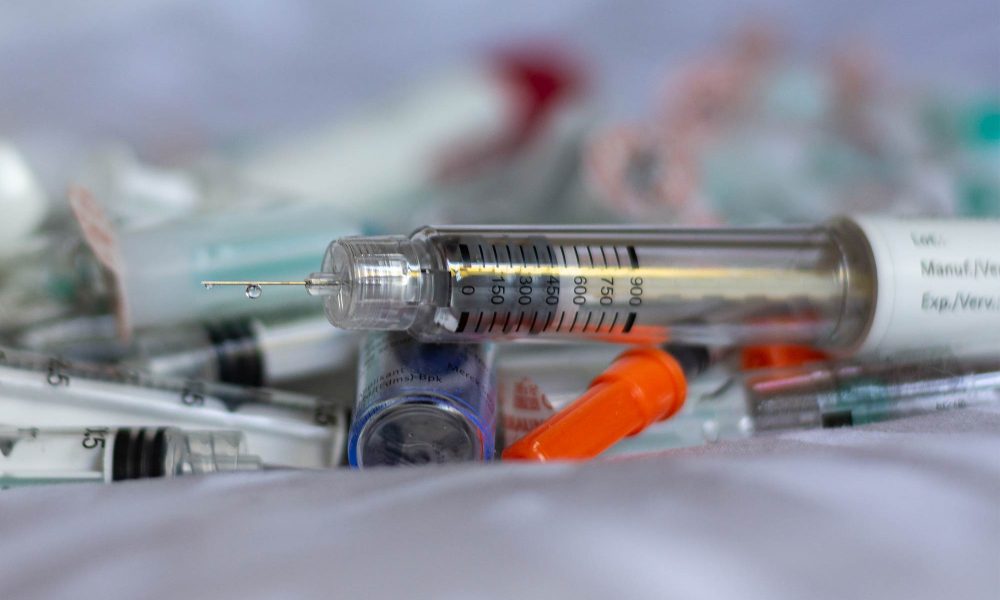
This scan shows them what kind of response you’re likely to have and how many follicles you might get. Next, you’ll get the stimulation medication to wake up your ovaries. A nurse will show you how (and where) to inject – they look and sound scary, but they’re really not. While many women inject themselves, my husband did mine. It was important for us to both be involved. I took two different types of stimulation medication – Gonal F and Menopur.
Days 4–7
Continue with injections. Try to take them at the same time every day. Mornings worked best for us.
Day 8
Your first scan. Your doctor checks how your ovaries are responding. (It was at this point we cancelled the last cycle.) Another injection may be added this stage – this stops your ovaries from ovulating.
Day 9
Remember to take your injections.
Day 10
Today, you’ll have your second scan to see how your ovaries are doing.
Day 11
Your ovaries are probably feeling a little uncomfortable by now, so make sure you’re taking it easy. Keep taking your injections on time.
Day 12
Your third – and hopefully final – scan. At this appointment, your doctor will decide when to do the egg retrieval.
Day 13
Depending on your retrieval time, your trigger shot must be taken exactly 36 hours before. Our first cycle, we were up at 1:30 am – we set five alarms. Second cycle, a kinder 9 pm. You must take it exactly on time (a few minutes won’t be the end of the world, but rather make sure you’re ready to inject at the exact time you’ve been given).
And please, don’t put the injection in the freezer. I was warned; apparently, this happened to a patient. She ruined her entire cycle. My heart broke for her because it’s such a silly thing, but completely understandable. You’re dealing with so much information and so many emotions. If it helps, make lists to keep everything organised.
Day 14
Finally, no injections. You’ve done so well to get here. Keep taking it easy. In my husband’s words, after I tried to carry something too heavy: “Don’t be a hero.”
Day 15
You’ll be told what time to arrive at the clinic – I had to be there 30 minutes before. Your partner needs to bring his sperm sample. Factor in time for traffic. (It was stressful for us – peak morning traffic.) If you’re worried about being late, ask if the sample can be done on-site.
Remember, the timing matters because of that 36-hour trigger shot.
The procedure is nothing to worry about. You’ll be under sedation for about 20 minutes (more if you have lots of follicles). You’ll wake up in recovery, where you’ll need to eat and drink something before you’re discharged.
Before you head home, you’ll meet with your doctor in her rooms, where you’ll get the final egg count. Your doctor won’t tell you in the day clinic out of respect for other patients who might not get a great number.
You’ll also start progesterone – either an injection (I’m sorry, I had those in my first cycle and they’re not great) or as a vaginal suppository.
Day 16
Today you’ll get your first lab update: how many eggs were retrieved, how many were mature, how many were fertilised.
Day 17
There are no updates today. The lab doesn’t want to check on the embryos too often.
Day 18
Today, you can expect an update on how the embryos are developing. By day three, they should typically be between six to eight cells.
Day 19
Again, no updates today. You can confirm your transfer time, though – for us, we were warned it might be pushed out depending on whether any egg retrievals were booked, as those would take priority (remember the timing for your trigger shot!).
Day 20
The most exciting day has arrived (if you’re doing a fresh transfer). You finally get to meet your beautiful embryo. You need to have a full bladder (aim to drink 500ml an hour before your appointment time) for the procedure. I did a trial run the day before to check:
a) How much water I needed to drink before my bladder felt comfortably full (that’s the feeling like you need to pee, but you could probably hold it for at least the next 30 minutes).
b) How long I could sit before needing to pee.
You don’t want to be uncomfortable. The transfer is like having a pap smear – but it takes a little longer. Read more over here.
The TWW
This was probably the hardest part for me. The two-week wait. This is the time from transfer to having a beta test.
If you can, avoid going down rabbit holes – you’ll likely “feel” a lot of things that Google will say “could be an early pregnancy symptom”.
Cramping is normal. Fatigue is normal. Sore boobs are normal.
Progesterone could also be to blame.
It’s frustrating. We want to cling to that hope, but keep in mind you’re on hyper alert. You know exactly when conception happened. For any woman who’s fallen pregnant naturally without really trying, I’d guess they’re blissfully unaware that they might be pregnant, while you’re over-analysing every weird thing you’re feeling.
Try to keep busy. Eat healthy meals, stay hydrated, and get your steps in. The time will pass – slowly, but it will pass.
Remember, your journey is yours alone. You never have to justify or validate how you’re feeling. There will be good days, there will be bad days. It’s ok if you have multiple meltdowns – or none. No one can tell you what you should feel or how you should feel.
Disclaimer: The information shared on What the Fertility is for general awareness only and should not replace medical advice. Always consult a qualified healthcare professional for guidance on your personal situation.





No Comment! Be the first one.